Login or register now to maximize your savings and access profile information, order history, tracking, shopping lists, and more.
Our Customer Service team is available from 8am to 6:00pm, ET, Monday through Friday. Live chat is available from 8am to 5:30pm ET, Monday-Friday.
We serve educators in more than 170 countries worldwide. Create a quote request on our website or contact our International Sales Team.

Login or register now to maximize your savings and access profile information, order history, tracking, shopping lists, and more.
Your Shopping Cart is currently empty. Use Quick Order or Search to quickly add items to your order!

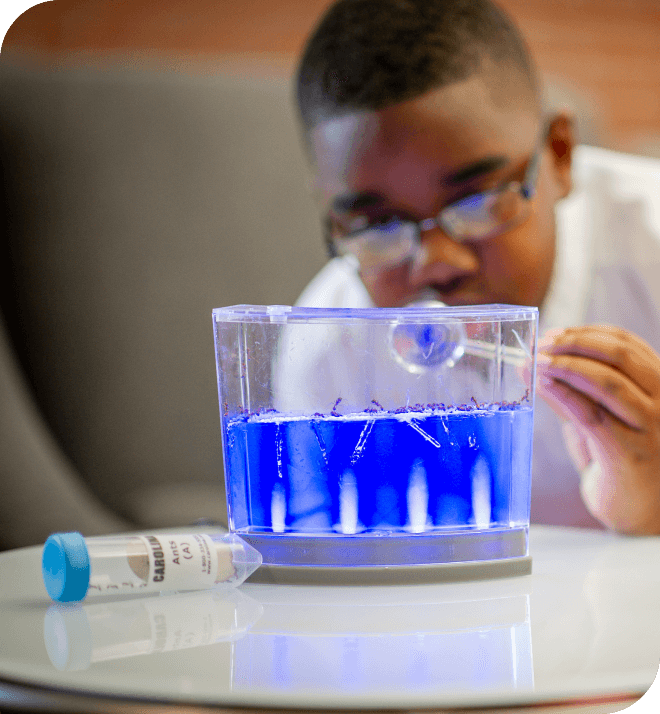
For over 80 years, Carolina has been providing the highest-quality living organisms and cultures available.

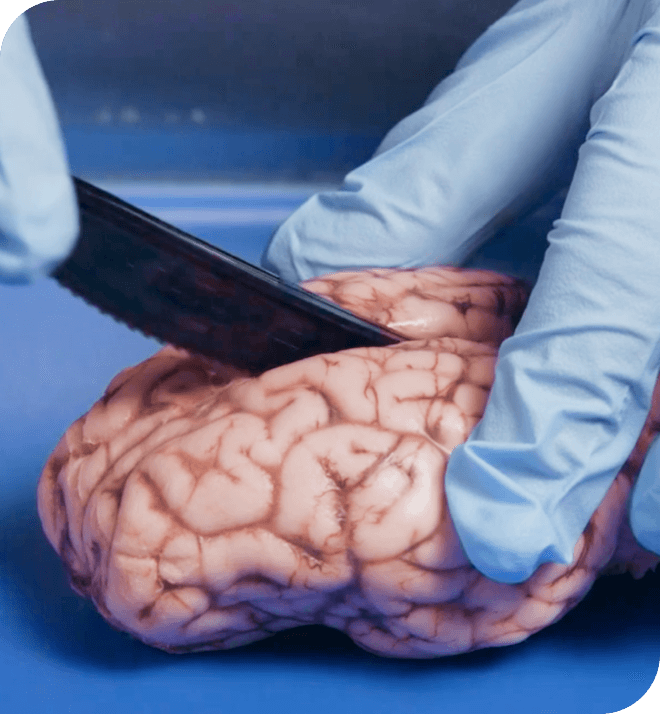
Carolina has the best specimens available, along with dissecting supplies, instruments, and much more.

Carolina is proud to offer one of the most extensive lines of lab supplies and equipment in the industry.

Carolina's STEM program K–8 inquiry curriculums are developed to meet national science standards.

Carolina Science Online®, our new eLearning platform, brings your classroom to life with resources for all ages.

We offer top-notch chemistry supplies and AP® Chemistry products, backed by our expert technical support.

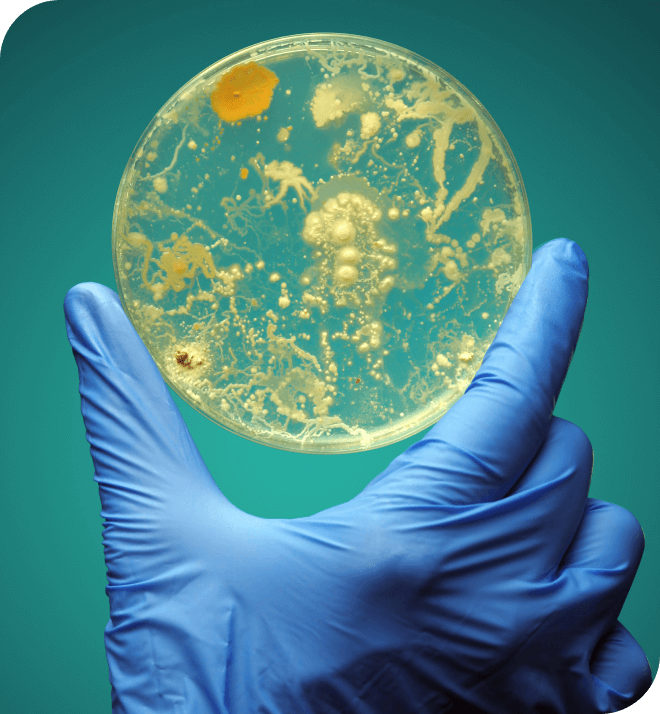
For a quarter century, Carolina Biological Supply has been committed to bringing biotechnology into the classroom.

Carolina covers the world of life science with everything from slides and kits to Agricultural and Vet Science.

Carolina's extensive assortment of compound and stereomicroscopes span virtually all grade levels and applications.